At least two people have asked me about the blood type diet, and my reaction was skeptical.
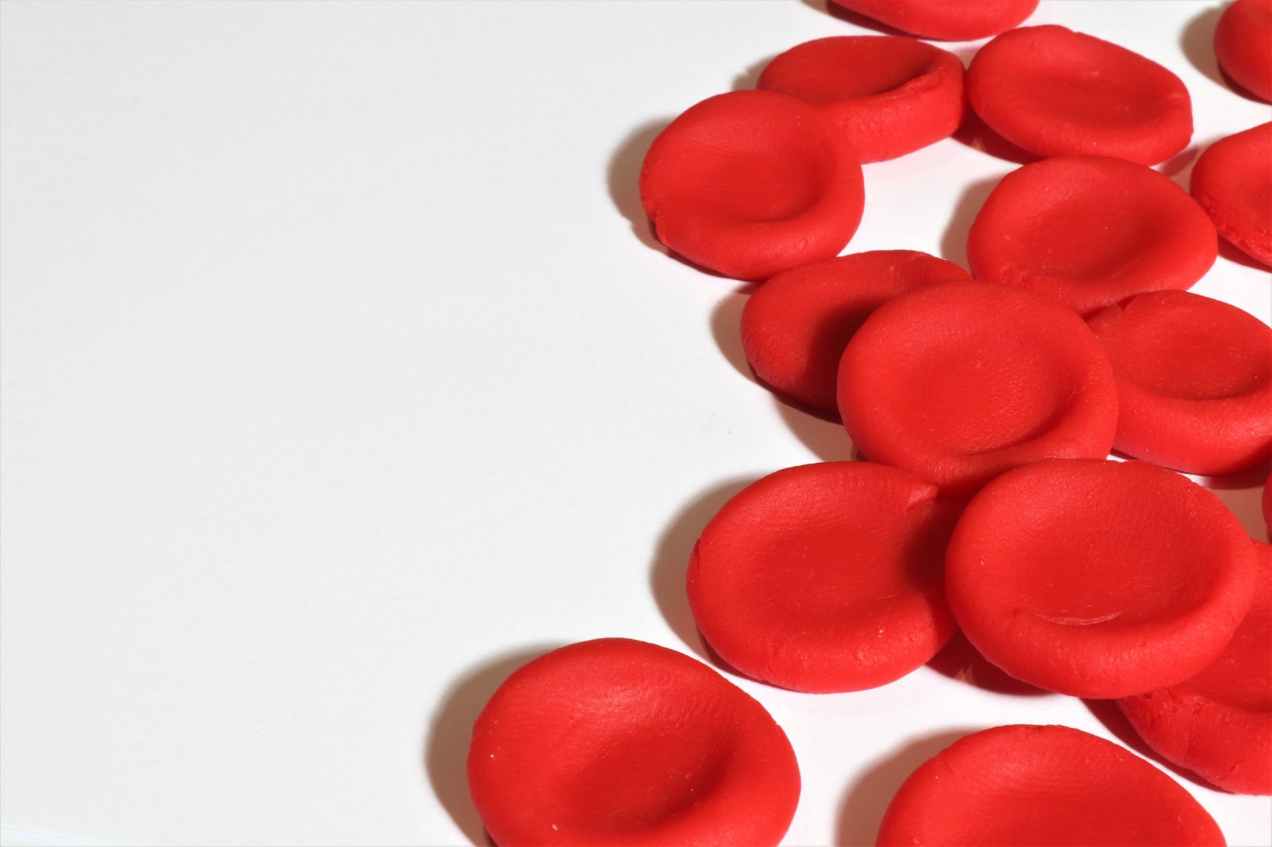
It just didn’t seem that there could be anything about different molecules on the surface of your blood cells that would affect what diet you should be on.
But, I decided to give it a chance. So, I checked out “Eat Right 4 Your Type” by Dr. Peter J. D’Adamo from my local library.
One of the first things I noticed was the summary of the diets on the back of the book. Depending on your type, you are recommended to engage in different kinds of exercise, ranging from “vigorous” to “gentle”, and in the diets that include meat, it says to eat “grass-fed, free-range meat”.
So right away I could see that the book was recommending healthy things, so it didn’t surprise me that some people had great success with this diet. (Once I read it, I found out that the diets are more complicated than the back-of-the-book summary leads one to believe.)
The book also claims that there’s no one-size-fits-all solution: different people do better with different diets. I *absolutely* agree with that (although I do think there are commonalities among healthy diets). Dr. D’Adamo says “If you’ve ever suspected that not everyone should eat the same thing or do the same exercise, you’re right.”
He also says “Although we have seen with our own eyes that certain people respond very well to particular diets while others do not, we have never made a commitment—in science or nutrition—to study the specialized characteristics of populations or individuals that might explain the variety of responses to any given diet.” I have heard that maybe someday there would be a blood test to help us determine that, so it’s intriguing to me that maybe there already is!
I’m going to start with things I did NOT like about the book, but there are some things I liked, so keep reading for those. 🙂
Things I didn’t like:
Some of D’Adamo’s claims seem like a bit of a stretch. He paints a historical picture of how the different types evolved around the world, and although part of it makes sense, part of it doesn’t (at least to me).
Some things he says are contradictory. At first I was giving him the benefit of the doubt that I just wasn’t understanding him, but no, some things are actually contradictory. For instance, the following statements (these are both from the same page (302 in the 2016 edition) Emphasis added): “It has been observed that viral infections in general seem to be more frequent in Type Os because they do not possess any antigens.” “Comparing transmission to bad transfusion reactions, scientists proposed that it is harder for Blood Type O individuals to contract HIV infection from people of other blood types because they carry both anti-A and anti-B antigens in their blood. On the other hand, Type AB, with no opposing blood type antigens, would more easily contract HIV from other blood types.” So at first he states that Type O has no antigens, and then he says that they have antigens to A and B. In other places he says that Type O is generally weak against viral infections, so the first statement about Type O being susceptible to viral infections makes sense, just not the phrase “because they do not possess any antigens”.
Next, I object to his bad advice in one particular circumstance: “Antibiotics are ineffective in the treatment of mononucleosis because it is caused by a virus, not a bacteria. Bed rest while the fever lasts and frequent rest intervals during the one- to three-week recovery period are recommended. Aspirin and adequate fluid intake are encouraged to decrease fever.” In this section D’Adamo is discussing childhood illnesses. Now, I’m no expert on this, but I was told you should never give aspirin to children because of the risk of Reye’s syndrome. So, I looked it up, and according to the Mayo Clinic “Aspirin has been linked with Reye’s syndrome, so use caution when giving aspirin to children or teenagers for fever or pain”.
Lastly, D’Adamo provides menus for the different types. However, he provides this disclaimer: “Occasionally you will see an ingredient in a recipe that appears on your avoid list. If it is a very small ingredient (such as a dash of pepper), you may be able to tolerate it, depending on your condition and whether you are strictly adhering to the diet.”
I understand that every diet needs some flexibility, and several times I have tried (with varying levels of success) to adapt different recipes to different diets. But since these are recipes that are specifically designed for the specific blood types, WHY would they have ingredients that those people are supposed to avoid?!?
Also, the meal plans included alternatives for if you want lighter food or weight loss. But I was disappointed again, because many of the alternatives were your typical diet foods, like rice cakes. Especially for Type O, that disappointed me, because rice cakes don’t seem to fit the paleo model. Also, some of the substitutions reduced fat, but also protein and nutrients, like swapping out almond butter on your toast for jam (although it was specified that it should be a low-sugar variety).
Generally, it seemed like he wasn’t taking his approach far enough. On the one hand he says that if you’re following the guidelines for your blood type, you don’t need to be afraid of negative health effects from eating meat and other foods that maybe have a bad reputation, but on the other hand, he’s advising low calorie food that’s also low in nutrition (seriously, how much nutrition is there in a rice cake?!?).
Things I liked:
Although I started out skeptical, some of the science is pretty convincing. For one thing, it’s not so much your blood type that is making the difference in many cases, it’s other characteristics of your body. D’Adamo says that because of “gene linkage”, people who inherit certain blood types also inherit certain other traits, such as high or low amounts of stomach acid, which affect digestion.
Also, maybe the proteins on your red blood cells which make the difference between blood types really DO make more difference than I realized. D’Adamo argues that the blood types evolved for a reason, other than to make blood transfusions more complicated. 😉 Primarily, he states that the reason we have defenses against other blood types is because those proteins are similar to viruses and bacteria that we needed to fight against. So basically it’s just a coincidence that it’s messing up blood transfusions.
If you follow that reasoning, it makes sense why your blood type would have broader implications, both on your immunity and on your food intolerances.
Because Type O has defenses against both Type A and Type B (and therefore anything else that is molecularly similar to those blood types), people who are Type O are at greater risk for autoimmune problems, according to D’Adamo (which again makes a certain amount of sense). I am Type O and was recently diagnosed with an autoimmune condition and because of that I am currently eating paleo (since before I read this book). So it was interesting to me that a paleo eating plan is recommended for me based on my blood type. (Although in the book, he classifies my health problem NOT as autoimmune but as something else and states that it’s more common for a different blood type, so there’s that. 😉 )
Even though he encourages meat consumption, I liked that he didn’t say you could just have all the fat you wanted, of whatever type, the way some people do on different diets like Keto or Atkins. He recommends high-quality, lean meat for meat eaters.
This is a random thought I liked, and I don’t know how true it is, but it makes sense to me (mainly because I don’t think “large amounts of starches, such as breads and potatoes” are good for you in the first place): “Perhaps the only real food-combining rule is to avoid eating animal proteins, such as meats, with large amounts of starches, such as breads and potatoes. This is important because animal products are digested in the stomach in a high-acid environment, while starches are digested in the intestines in a high-alkaline environment. When these foods are combined, the body alternately nibbles at the protein, then the starch, then back to the protein, then back to the starch; not a very efficient method. By keeping these food groups separated, the stomach can concentrate its full functions on the job at hand. Substitute low-starch, high-fiber vegetable side dishes, such as greens. Protein-starch avoidance doesn’t apply to tofu and other vegetable proteins, which are essentially predigested.” (page 366)
Basically, I don’t see how this diet can really hurt you (other than a possible waste of time learning it) and maybe it will help you. 🙂 You’d have to see for yourself.
 Amanda Whiting Fitness